

Credit education is the key to understanding how your financial reputation is built and measured. Your credit report contains information about how you have managed borrowed money over time. It includes your payment history, credit card balances, and loan amounts. It also includes public records like bankruptcies, tax liens, and civil judgments. Credit bureaus collect this information from lenders and creditors who report your activity. Three major credit bureaus maintain these reports: Equifax, Experian, and TransUnion.
Your credit score is a number that summarizes your creditworthiness for lenders and creditors. This number ranges from 300 to 850, with higher scores being better. Lenders use your credit score to decide whether to approve your loan applications. They also use it to determine the interest rate they will charge you. A higher credit score means lower interest rates and better loan terms for you. A lower credit score means you will pay more for credit over your lifetime.
Many factors influence your credit score and your overall credit profile. Your payment history is the most important factor in determining your credit score. Making payments on time shows lenders that you are responsible with credit. Your credit utilization is the second most important factor for your score. This is the amount you owe compared to your total available credit limits. The length of your credit history also affects your credit score significantly. Having older accounts helps your score because it shows experience with credit. The types of credit you have and new credit inquiries also affect your score.
Errors on your credit report can lower your score and harm your financial opportunities. Common errors include accounts that do not belong to you and incorrect balances. Outdated negative items should be removed after a certain period of time. Identity theft can create fraudulent accounts that damage your credit badly.
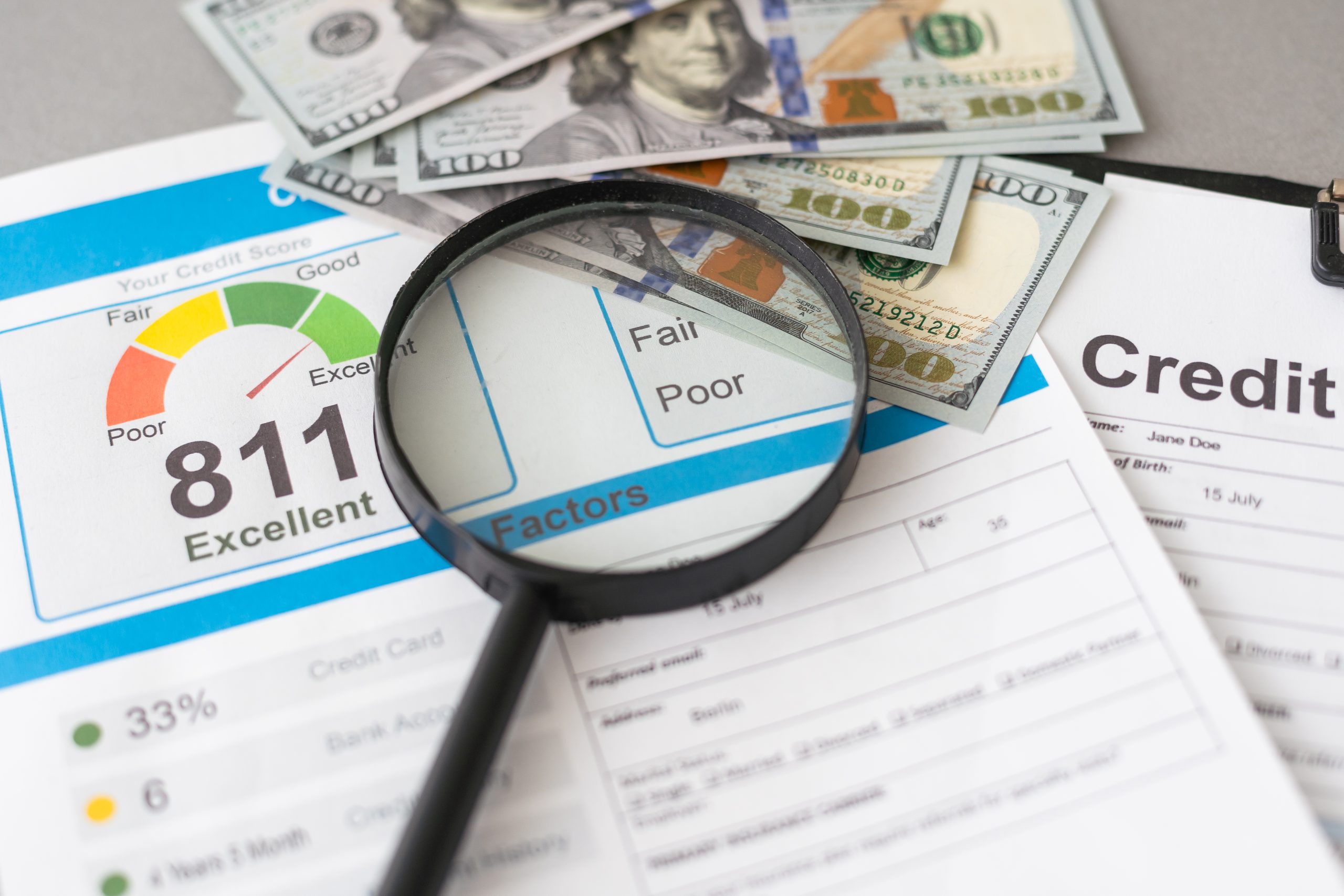
Your credit report tells a story about your financial life and your money habits. It can be confusing, and it can contain errors that you never knew existed. Many people never check their credit reports until they are denied credit. By then the damage is already done, and it is harder to fix. We teach you to review your reports regularly and to spot problems early. We show you how to dispute errors and how to protect your identity. Taking control of your credit is one of the most empowering things you can do.
trust between you and the lender or creditor. Lenders need to know that you will repay what you borrow responsibly. Your credit report and score give them a way to measure this trust. Good credit gives you access to better financial opportunities and lower costs. Bad credit makes everything more expensive and harder to achieve.
Credit matters for more than just getting loans and credit cards. Landlords check your credit before they approve your rental application. Insurance companies use your credit to set your premium rates for coverage. Employers may check your credit as part of their hiring process. Utility companies check your credit before setting up your service accounts. Cell phone providers also check your credit for contract agreements. Your credit affects your ability to buy a home or a car easily.
It affects your ability to get a business loan or a student loan. It affects your ability to rent an apartment or get a credit card. Understanding how credit works helps you make better financial decisions every day. You can choose to pay bills on time and to keep your balances low. You can avoid applying for too much credit at one time.