
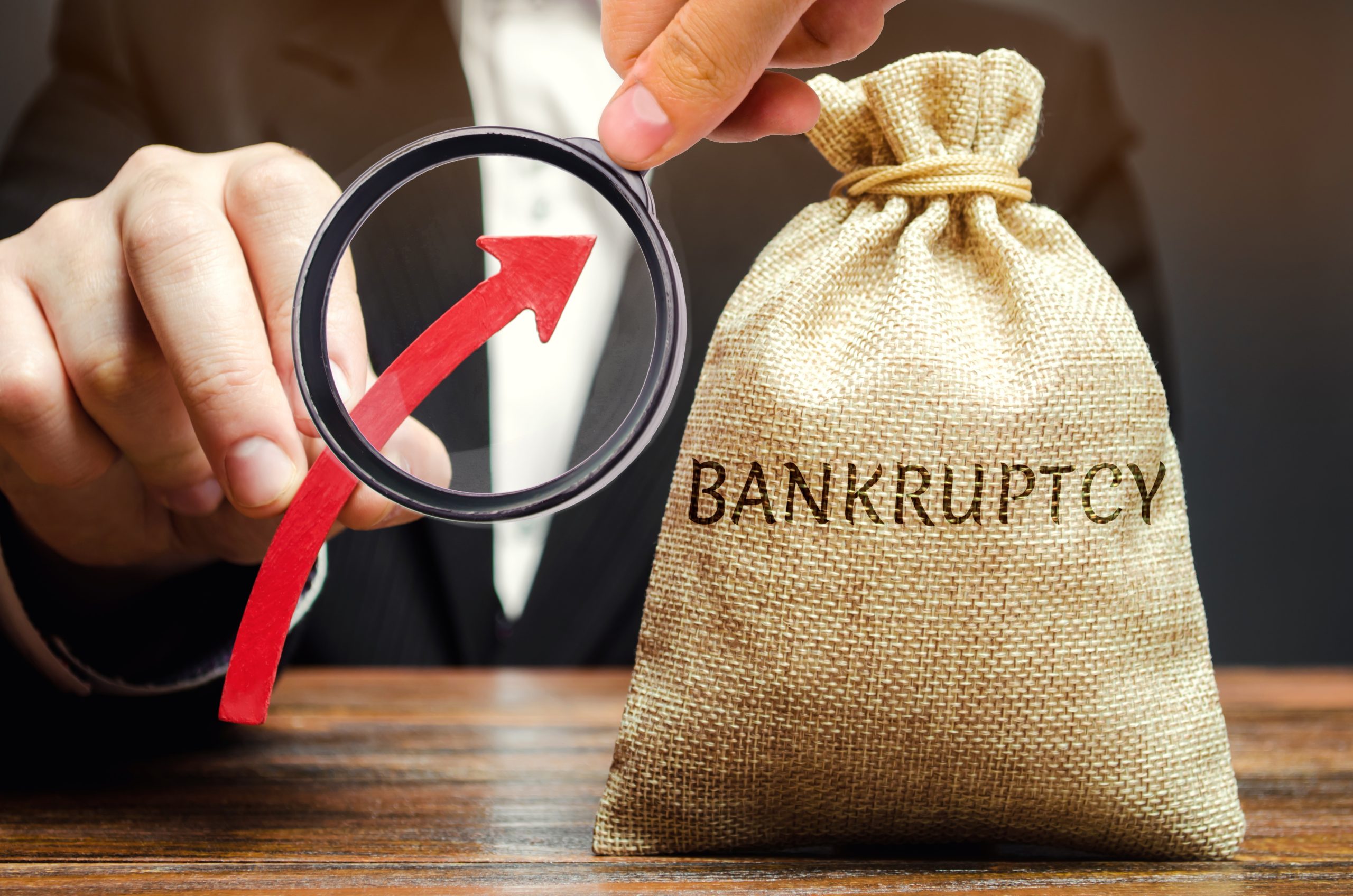
Overwhelming debt can make it difficult to see a way forward. Bankruptcy is a legal process that may allow eligible individuals and businesses to discharge certain debts or repay them through a court-approved plan. Depending on the type of bankruptcy and the circumstances, some assets may be sold to pay creditors.
Filing generally pauses many collection activities through an automatic stay, although exceptions and limitations apply. LLR Solutions provides general bankruptcy education and done-for-you administrative document preparation. We organize the financial records you provide and type your forms using your information and instructions, with careful attention to detail.
Bankruptcy is a significant financial decision for individuals and small business owners. Understanding the process is an important part of moving forward. Filing generally creates an automatic stay that temporarily pauses many collection activities, including certain collection calls, lawsuits, wage garnishments, foreclosures, and repossessions. Exceptions and limitations apply, and this protection does not guarantee that you will retain your property.
Bankruptcy may also provide relief through a discharge, which removes the obligation to repay certain debts. Not all debts qualify, and a discharge does not automatically eliminate liens against property. Eligibility and available relief depend on the bankruptcy chapter, the type of debtor, and the circumstances.
Chapter 7 may allow eligible individuals to discharge qualifying debts without a repayment plan. A trustee may sell nonexempt assets to pay creditors, although many individual cases involve no asset sales. Businesses may also use Chapter 7 to liquidate assets, but corporations and partnerships do not receive a Chapter 7 discharge.
Chapter 13 allows eligible individuals with regular income, including qualifying sole proprietors, to repay some or all of their debts through a court-approved plan, generally lasting three to five years. Chapter 13 is not available to corporations or LLCs. Chapter 11 may allow businesses to reorganize their debts and continue operating under court supervision.
LLR Solutions provides general bankruptcy education and done-for-you administrative document preparation for individuals and business owners. We organize the income, asset, expense, and debt records you provide, compile your supplied information, and perform clerical assistance according to your instructions. For business entities, we organize supporting records and administrative preparation you need for the bankruptcy filing. Our services reduce the administrative workload and keep your documents organized throughout preparation.
Our document preparation process begins with organizing the financial information you provide, including your income, expenses, assets, and debts. We compile your records and follow your instructions to keep your paperwork organized.
During your consultation, we explain the scope of our administrative services and how our document preparation process works. We prepare your bankruptcy petition, schedules, and other forms using the answers and instructions you supply. We check our entries against your information and provide copies for your review. You complete any required credit counseling or debtor education courses directly through an approved provider.
LLR Solutions provides educational and administrative services. We are not a law firm and do not provide legal advice or representation. Results vary, and no specific outcome is guaranteed.
We maintain strict confidentiality and privacy policies and use an encrypted portal to help protect your documents and personal information.
Bankruptcy can eliminate your personal obligation to pay many qualifying debts, including credit card balances and medical bills. However, child support, alimony, certain taxes, and many student loans generally remain unless an applicable exception permits discharge.
Not necessarily. Whether you can retain your home or vehicle depends on the bankruptcy chapter, available legal protections, your equity, and your loan obligations. Bankruptcy may protect certain property, but it does not automatically remove a lender’s rights against financed assets.
Chapter 7 generally allows eligible individuals to discharge qualifying debts without a repayment plan, although nonexempt property may be sold.
Chapter 11 allows businesses and individuals to reorganize their debts through a court-approved plan. Businesses commonly use it to address financial obligations while continuing operations.
Chapter 13 allows eligible individuals with regular income to repay some or all of their debts through a court-approved plan, usually lasting three to five years. It may help them retain property while addressing overdue obligations. a licensed bankruptcy attorney should advise you about which chapter to choose.
We are ready to help you understand bankruptcy and to determine if it is the right path for you.